
Biography Projects
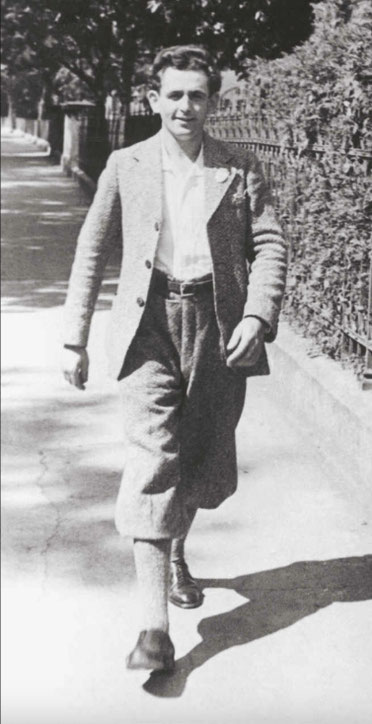
THE ARTISAN is a narrative nonfiction biography of Georg Elser, the working-class German carpenter who, acting entirely alone, attempted to assassinate Adolf Hitler and the Nazi leadership in Munich in 1939. Long overlooked in both German and international memory, Elser came closer than anyone else to ending the Nazi regime from within.
Grounded in research conducted in more than thirty archives across Germany, Switzerland, Russia, Italy, the UK, and the United States, and drawing on sources in four languages, the book reconstructs Elser’s life from his rural Swabian childhood through his meticulous planning of the bombing, and the years of imprisonment that followed. At its core, The Artisan is a study of moral clarity under tyranny: how an ordinary craftsman, without party affiliation, institutional backing, or expectation of recognition, decided that personal responsibility demanded action.
Blending biography, political history, and narrative suspense, the book examines the tension between craftsmanship and destruction, anonymity and legacy, and the uneasy ways societies remember—or forget—those who resist early and alone. The Artisan restores Georg Elser to history while asking a larger question: what does resistance look like before it is sanctioned, celebrated, or safe?
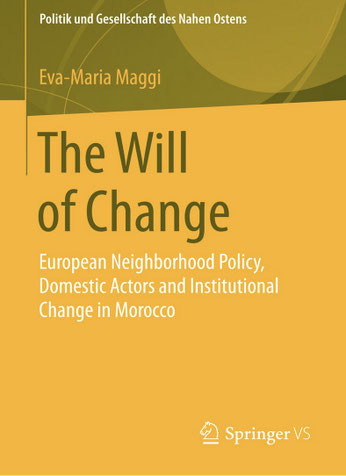
European Neighborhood Policy, Domestic Actors and Institutional Change in Morocco (Springer, 2016) is based on my doctoral research in political science. Drawing on extensive fieldwork and archival research, the book examines how international democracy-promotion efforts intersect with local political actors under authoritarian conditions. Through the case of Morocco, it explores the limits of external reform agendas and the ways power, institutions, and resistance operate within constrained political systems. This book was a finalist for the best published dissertation award of the European Studies Association.